
VIDEO LEARNING
Recordings can work well
A review of 105 trials found swapping usual teaching for video lifted the average grade from a B to a B+, and adding video moved it to an A.
See the numbersWHAT THE STUDIES FOUND
The speed button changes how you learn.
Recorded lectures let you pause, rewind or speed up. Research on video learning is broadly encouraging, but the playback speed studies set clear limits and show it depends on who is watching.

UP TO 2× then slow down
THE SHORT ANSWER
Video learning is well studied.
Playback speed is a newer question.
VIDEO LEARNING
A review of 105 trials found swapping usual teaching for video lifted the average grade from a B to a B+, and adding video moved it to an A.
See the numbersPLAYBACK SPEED
UCLA students who watched lectures at 1.5x or 2x showed minimal costs to comprehension, but performance declined beyond 2x.
Check a speedAGE
In a follow-up study, adults aged 61 to 94 generally remembered less at faster speeds, while younger adults did not.
Read moreA QUICK SPEED CHECK
Pick a playback speed to see what the UCLA lecture-video studies found. The bar shows how much comprehension suffered.
Based on Murphy et al. (2022, Applied Cognitive Psychology) and Murphy, Hoover and Castel (2023, Memory). Results may differ with other videos and speakers.
TWO NUMBERS WORTH KNOWING
One large review of video learning,
one meta-analysis of sped-up video.
105 studies
Randomised trials of video in higher education
With 7,776 students pooled, video gave small gains when it replaced other teaching and strong gains when added to it. It helped more for skills than knowledge.
VIDEO REVIEW · 2021
31 of 37
Experiments where speeding up cut recall scores
A meta-analysis of sped-up instructional video found acceleration raised cognitive load and lowered retention test scores, with a moderate overall effect.
SPEED META-ANALYSIS · 2025
The studies do not fully agree. The 2025 meta-analysis treated all speeds above normal as one 'accelerated' group and warned that publication bias may affect earlier results.
FOUR IDEAS FROM THE RESEARCH
The researchers suggest speed is only useful if the time saved goes into more learning. These ideas come straight from the studies.
Students showed minimal costs up to 2x, but comprehension fell beyond that in the UCLA study.
Watching again at 2x just before the test beat watching once at normal speed a week earlier.
The video review's lead author notes viewers can pause to take notes, rewind, or go faster if bored.
Results may differ for fast speakers or complex material, and older adults did better at slower speeds.
AGE AND SPEED

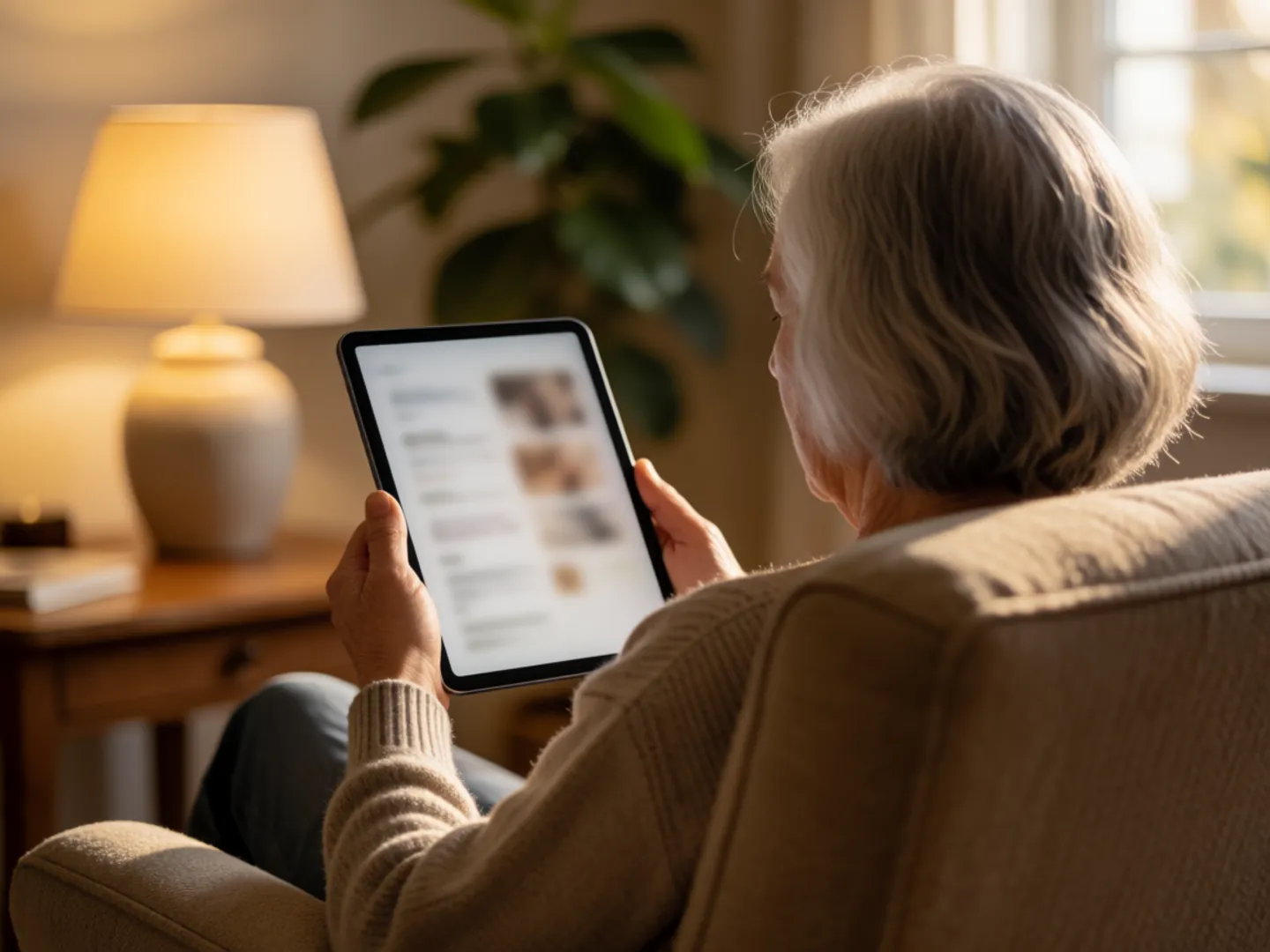
In the 2023 study, younger adults aged 18 to 36 kept their memory for the lecture at faster speeds, but older adults aged 61 to 94 were generally impaired. Faster speeds also seemed to reduce mind-wandering.
The authors suggest students may be practised at fast speech from watching sped-up videos often, while older adults may lack that exposure. Earlier research shows people can be trained to follow speech at up to 475 words per minute.
Questions
For students in one UCLA study, 2x caused minimal costs to comprehension, though performance declined beyond 2x. A 2025 meta-analysis found sped-up video lowered recall scores on average, so results are mixed.
A review of 105 randomised studies found replacing usual teaching with video gave small improvements, and adding video to existing classes gave strong benefits.
In a 2023 study, adults aged 61 to 94 generally remembered less at faster speeds, while younger adults did not. The authors advised older adults against watching at faster speeds.
The 2022 study found no advantage to watching twice at 2x in itself, but rewatching at 2x immediately before the test improved comprehension compared with watching once a week earlier.
People generally speak at about 150 words per minute. Comprehension may start to drop at around 275, though people can be trained to follow up to 475 words per minute.
Sources
ABOUT THIS NAME
doodlelectures.com is part of the DoodleSale portfolio. It isn't in an auction right now, but you can ask about leasing it.